Journey Through 16 Global Cave Homes: History & Ingenuity Unveiled
Delving beneath the earth's surface reveals more than just geological formations; it uncovers millennia of human ingenuity, resilience, and a profound connection to the natural world. Across continents, people have transformed natural caves and carved into soft rock to create an astonishing array of dwellings – the remarkable cave home. These subterranean shelters, far from being primitive, offer fascinating insights into sustainable living, architectural innovation, and the enduring human spirit. Join us on an immersive journey to explore the rich history and brilliant adaptations found in 16 incredible cave homes worldwide, each telling a unique story of survival, culture, and surprising comfort.
Ancient Roots & Enduring Resilience: Europe's Subterranean Sanctuaries
Europe, with its diverse landscapes and rich history, hosts some of the most iconic examples of ancient cave dwellings, many of which continue to thrive today, blending heritage with modern life.
Matera, Italy: A Labyrinth of Limestone Lives
Perched dramatically on the rocky hills of southern Italy, Matera is a living testament to human endurance and creativity. Its ancient cave dwellings, known as "Sassi," are intricately carved directly into the limestone cliffs, forming a labyrinthine city of stone pathways, hidden courtyards, and unexpected openings. Walking through Matera is akin to stepping back through the annals of time, where every weathered stone whispers stories of bygone eras. For centuries, these unique homes sheltered communities, adapting to various needs and eras, from prehistoric settlements to vibrant urban centers. Matera's journey from a place once associated with poverty to a UNESCO World Heritage site and a European Capital of Culture exemplifies the power of preservation and adaptive reuse. Many of these ancient homes have been meticulously restored, now serving as boutique hotels, charming restaurants, and unique cultural spaces, allowing visitors to experience the profound history firsthand. Matera showcases how the past can be thoughtfully integrated into the present, offering a model for sustainable cultural tourism. To learn more about Matera's transformation, explore Matera to Santorini: Iconic Cave Homes Blending History & Luxury.
Cappadocia, Turkey: Fairy Chimneys and Hidden Havens
In the heart of Turkey lies Cappadocia, a region famed for its whimsical, otherworldly landscapes sculpted by volcanic activity and erosion. Here, an extraordinary array of cave houses is chiseled into soft volcanic rock formations, often referred to as "fairy chimneys." These unique structures resemble ancient castles, mystical retreats, or even fantastical homes straight out of a storybook. Cappadocia’s cave homes are not merely shelters; they are sanctuaries of warmth, history, and unparalleled beauty. Historically, they served as homes for early Christian communities, providing refuge and privacy, evolving over centuries with intricate tunnel systems and multi-room complexes. Today, tourists flock to Cappadocia not only for its breathtaking hot air balloon rides that paint the sky at dawn but also to delve deeper into its unique troglodyte architecture. Many of these dwellings have been transformed into luxurious yet rustic hotels, offering guests an unforgettable experience of sleeping within the earth's embrace, surrounded by an ethereal landscape.
Santorini, Greece: Cliffside Charm with Aegean Views
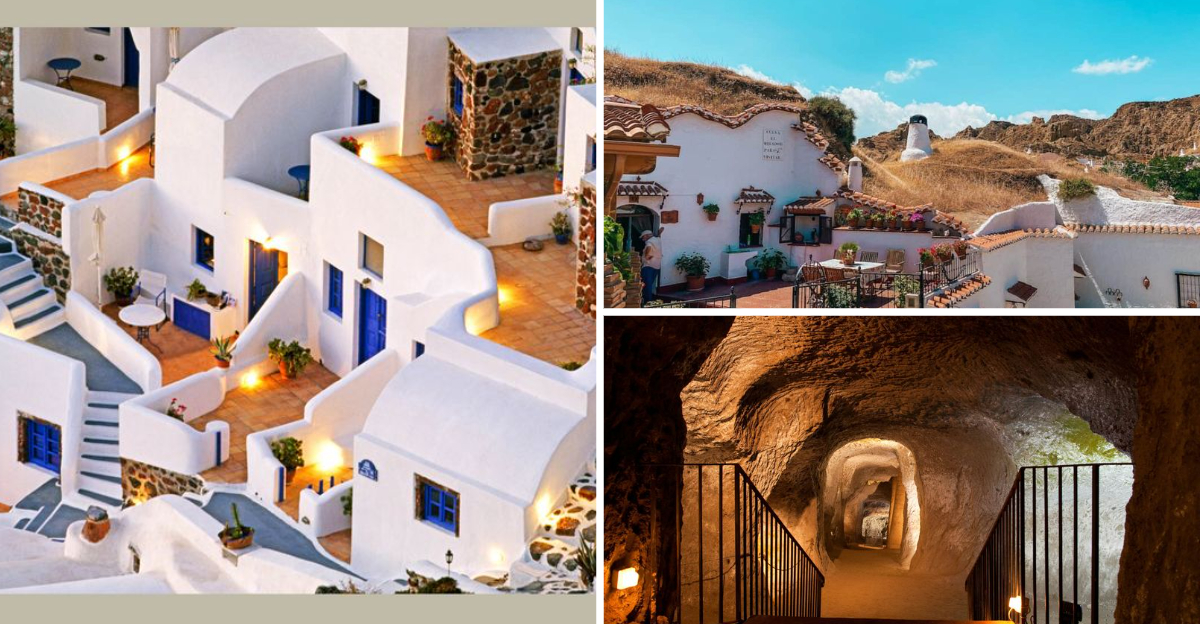
Santorini’s iconic cliffside cave houses offer a dazzling blend of traditional charm and modern elegance. Carved into the island's dramatic volcanic cliffs, these dwellings provide unparalleled, stunning vistas of the deep blue Aegean Sea. The harmonious architecture, characterized by its whitewashed walls and striking blue accents, perfectly reflects the island's rich cultural heritage and aesthetic. Each cave house is designed as a tranquil retreat, offering natural insulation from the summer heat and a cozy warmth during cooler months, all while being surrounded by the vibrant energy of Santorini. Visitors are irresistibly drawn to the island's unique ambiance, where millennia of history gracefully coexist with contemporary luxury. The mesmerizing sunsets over the caldera, often viewed directly from these cliff-edge homes, add an unparalleled layer of allure, cementing Santorini’s status as a must-visit destination for those seeking beauty, history, and unique accommodation. For further exploration of Santorini's unique accommodations, revisit Matera to Santorini: Iconic Cave Homes Blending History & Luxury.
Ingenuity in Arid Lands: Practicality & Preservation
In regions with harsh climates, the ground itself becomes the ultimate insulator, leading to incredibly clever and sustainable forms of subterranean living.
Guadix, Spain: A Living Tradition in Andalucía’s Hills
In the arid hillsides of Andalusia, Spain, the town of Guadix shelters a remarkable community living within a unique type of cave home. These residences, dug directly into the ochre-colored earth, ingeniously offer natural insulation, providing a cool escape from the region's scorching summers and a surprisingly warm refuge in winter. The cave homes of Guadix are easily recognizable by their whitewashed exteriors and distinctive chimneys that punctuate the undulating landscape, creating a whimsical, almost alien appearance. Inside, these homes defy expectations, often featuring surprisingly spacious rooms that remain consistently cool, a perfect haven from the Spanish sun. This living tradition continues to thrive vigorously, with many homes passed down through generations. The community in Guadix actively preserves a distinct way of life that harmonizes profoundly with its natural environment, demonstrating a sustainable approach to dwelling that predates modern eco-friendly concepts. It’s a testament to how human ingenuity can adapt to and even embrace extreme climatic conditions.
Coober Pedy, South Australia: The Opal Capital Underground
Beneath the sun-scorched, rugged landscape of South Australia lies Coober Pedy, a town famously known as the "Opal Capital of the World," but equally for its extraordinary underground homes, or "dugouts." These subterranean shelters provide an essential refuge from the relentless, oppressive heat above ground, where summer temperatures can soar well into the 40s Celsius. Residents appreciate the constant, comfortable temperature inside their dugouts, which typically hovers around 23-25°C all year round, eliminating the need for extensive heating or air conditioning. Life in Coober Pedy is truly unique; not just homes but churches, shops, and even hotels are carved out of the sandstone. This unusual lifestyle began out of necessity for opal miners seeking respite from the extreme conditions and has evolved into a thriving, if unconventional, community. The dugouts showcase an extreme but highly effective form of climatic adaptation, proving that comfort can be found in the most unexpected places.
Beyond the Obvious: Diverse Adaptations & Modern Interpretations
While Matera, Cappadocia, Santorini, Guadix, and Coober Pedy represent some of the most well-known examples, these are just a few of the 16 global cave homes that showcase human adaptability. Across various continents, from the ancient troglodyte villages of Iran to the carefully concealed dwellings in China, the practice of creating shelter within the earth continues to fascinate and inspire. Each cave home, whether carved into a cliff face, dug into a hillside, or burrowed beneath the desert, shares common threads of ingenuity and a profound connection to its environment.
The Enduring Appeal of Subterranean Living
- Natural Climate Control: One of the most significant advantages of a cave home is its inherent ability to maintain a stable indoor temperature, regardless of external fluctuations. The earth acts as a massive thermal battery, absorbing heat in summer and releasing it in winter, drastically reducing energy consumption for heating and cooling.
- Soundproofing: The thick earthen walls provide exceptional sound insulation, offering a tranquil and quiet living environment, often a prized feature in modern, bustling lives.
- Durability and Low Maintenance: Once properly secured and finished, the exterior of a cave home is remarkably durable and requires minimal maintenance compared to conventional structures, standing resilient against harsh weather.
- Connection to Nature: Living within the earth fosters a unique sense of connection to the planet, promoting a lifestyle that is inherently more grounded and less intrusive on the landscape.
Modern Revival and Eco-Friendly Applications
Today, the ancient wisdom of cave dwelling is experiencing a contemporary revival. Architects and eco-conscious builders are drawing inspiration from these historical models to design innovative, sustainable homes that blend seamlessly with their surroundings. Modern subterranean and earth-sheltered homes utilize advanced engineering to address traditional challenges like moisture control and natural light, often incorporating skylights, courtyards, and strategic fenestration. These contemporary cave home designs prioritize energy efficiency, environmental harmony, and unique aesthetic appeal, proving that living underground can be both luxurious and responsible.
Conclusion: A Timeless Testament to Human Ingenuity
Our journey through these 16 global cave homes, from the ancient Sassi of Matera to the opal dugouts of Coober Pedy, unveils a remarkable narrative of human ingenuity and adaptability. These subterranean sanctuaries are far more than mere shelters; they are living monuments to our ancestors' ability to thrive in diverse and often challenging environments, using the earth itself as both a resource and a protector. They remind us that the most sustainable and comfortable forms of dwelling can often be found by working with nature, rather than against it. As we look towards a future demanding greater environmental consciousness, the timeless lessons embedded within these extraordinary cave home designs offer invaluable insights, inspiring new generations to build homes that are not only functional and beautiful but also deeply harmonized with our planet.