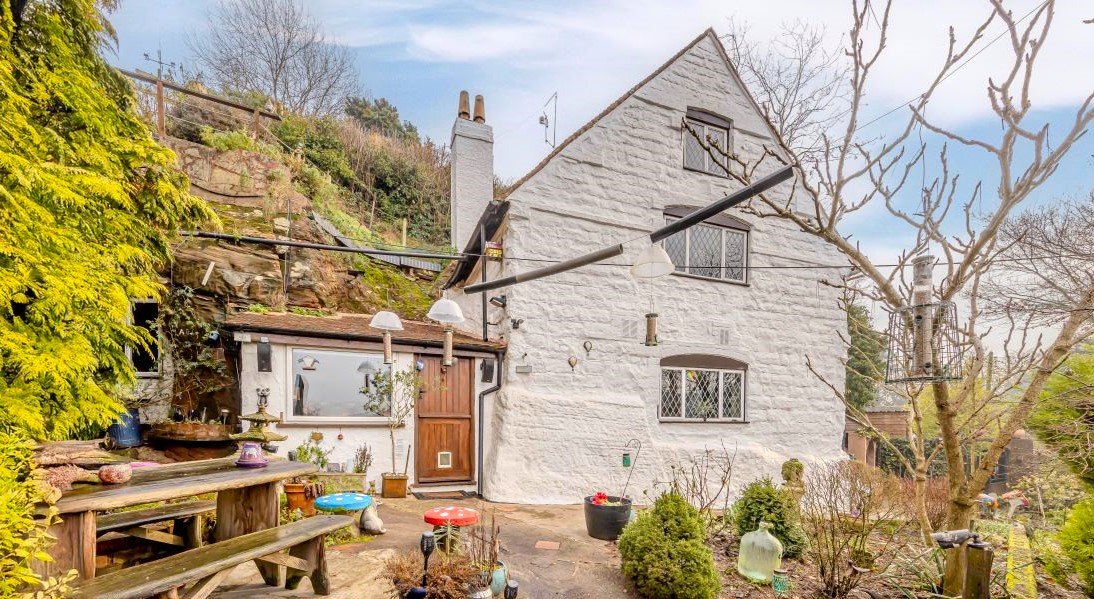
Carved Wonders: Exploring the Unique Architecture of Global Cave Homes
Delving beneath the earth's surface often reveals a hidden world, not just of geological marvels, but of human ingenuity and resilience. Across continents, from ancient times to the modern era, people have carved their lives into the very fabric of the landscape, creating extraordinary subterranean dwellings. These cave homes are more than mere shelters; they are living testaments to adaptability, sustainable design, and a profound connection to nature. Join us on an immersive journey to discover the captivating architecture and rich cultural tapestries woven into these incredible global cave homes, offering a fresh perspective on what it means to truly make a house a home.
Global Gems: Iconic Cave Homes and Their Enduring Stories
From the sun-drenched hills of Southern Italy to the arid plains of Australia, cave homes around the world tell unique stories of human habitation. Each location offers a distinctive blend of geological conditions, historical necessity, and cultural evolution, shaping these remarkable dwellings into truly unforgettable spaces.
Matera, Italy: Echoes of Ancient Resilience
Perched dramatically atop the rocky hills of southern Italy, the ancient city of Matera is a breathtaking panorama of history. Its iconic cave dwellings, known as Sassi, are carved directly into the soft limestone cliffs, creating an intricate labyrinth of stone pathways, hidden courtyards, and stacked homes that seem to defy gravity. Walking through Matera is akin to stepping back in time, with weathered stones whispering tales of centuries past. Each dwelling, though sharing a common rock-hewn foundation, possesses unique characteristics, reflecting the personal touches and evolving needs of generations of inhabitants. Matera's compelling narrative of human resilience, poverty transformed into preservation, and its unparalleled architectural heritage have rightfully earned it UNESCO World Heritage status, ensuring its legacy endures. For a deeper dive into these ancient wonders, consider reading more on Journey Through 16 Global Cave Homes: History & Ingenuity Unveiled.
Cappadocia, Turkey: Fairy Chimneys and Mystical Retreats
In the heart of Turkey lies Cappadocia, a region renowned for its surreal, whimsical landscapes. Here, nature's artistry has created the famous "fairy chimney" rock formations, and human ingenuity has transformed them into a remarkable collection of cave houses. Chiseled into the soft volcanic tuff, these structures range from humble ancient residences to luxurious modern boutique hotels, often resembling ancient castles or secluded hideaways. Cappadocia’s cave homes captivate with their ethereal beauty, nestled amongst the towering conical formations that paint the skyline. Inside, these dwellings offer a sanctuary of warmth in winter and coolness in summer, rich with history and unique architectural details. Tourists flock here not only to delve into this extraordinary architecture but also to experience the magic of a night in these rustic yet refined settings, often complemented by the unforgettable sight of hot air balloons drifting silently overhead at dawn.
Santorini, Greece: Whitewashed Wonders Above the Aegean
The iconic cliffside cave houses of Santorini offer a dazzling fusion of traditional Cycladic charm and modern elegance. Carved into the island’s volcanic cliffs, these immaculate dwellings provide truly unparalleled vistas of the shimmering Aegean Sea and the famous caldera. The harmonious architecture, characterized by its brilliant whitewashed walls and striking blue accents, is instantly recognizable and reflects the island’s rich cultural heritage. Each cave home here serves as a tranquil retreat, offering a serene escape amidst the vibrant energy of Santorini. Visitors are irresistibly drawn to the unique ambiance, where history and contemporary luxury coexist in perfect harmony. The island’s mesmerizing sunsets, celebrated worldwide, further enhance the allure, making Santorini a must-visit destination for those seeking a unique blend of natural beauty and architectural wonder. To explore more about the architectural evolution from Matera to Santorini, check out Matera to Santorini: Iconic Cave Homes Blending History & Luxury.
Guadix, Spain: A Living Tradition in Arid Hills
Nestled in the arid hills of Andalusia, Spain, the town of Guadix shelters a remarkable and vibrant community living within its distinctive cave homes, known as casas-cueva. These residences, meticulously dug into the sun-baked hillsides, are masterpieces of natural engineering, offering unparalleled insulation from the region’s extreme temperatures. Characterized by their whitewashed exteriors and a surreal landscape dotted with unexpected chimneys emerging from the earth, the cave homes of Guadix present a striking visual contrast to their surroundings. Inside, visitors are often surprised by the spaciousness, coolness, and comfort, providing a perfect refuge from the intense Spanish sun. This living tradition continues to thrive, with many homes passed down through generations, preserving a unique way of life that beautifully harmonizes with the environment and offers a sustainable model of living.
Coober Pedy, Australia: The Opal Capital's Underground Life
Beneath the scorching, sun-baked landscape of South Australia lies Coober Pedy, a mining town famous for its vast opal fields and, more remarkably, its underground homes or "dugouts." In a region where summer temperatures frequently soar above 40°C (104°F), these subterranean shelters provide essential refuge from the relentless heat. Residents of Coober Pedy have masterfully adapted to their environment, carving out surprisingly elaborate and comfortable living spaces below ground. These dugouts offer natural climate control, maintaining a constant, pleasant temperature year-round, eliminating the need for air conditioning. Beyond residential homes, the town boasts underground churches, shops, art galleries, and even hotels, creating a truly unique subterranean community where life thrives away from the harsh surface.
Beyond the Surface: Why Live in a Cave Home?
The appeal of a cave home extends far beyond its historical novelty. Modern adaptations and ongoing appreciation for sustainable living have brought renewed attention to the practical benefits and unique lifestyle these dwellings offer.
Natural Climate Control and Sustainability
One of the most compelling advantages of a cave home is its inherent sustainability, primarily due to natural climate control. The earth acts as a massive thermal mass, effectively insulating the interior. This means that subterranean homes remain naturally cool in summer, often staying a comfortable 20-24°C (68-75°F) even when outside temperatures soar, and relatively warm in winter. This passive temperature regulation significantly reduces the need for artificial heating and cooling, leading to lower energy consumption and a smaller carbon footprint. Furthermore, the construction often involves minimal external materials, primarily utilizing the existing geology, making them incredibly eco-friendly in their very essence.
Serenity, Soundproofing, and Connection to Nature
Life in a cave home offers an unparalleled sense of serenity and quiet. The thick earthen walls provide exceptional soundproofing, creating a peaceful sanctuary away from external noise pollution. This unique environment fosters a deeper connection to nature, as inhabitants literally live within the earth. The distinctive aesthetic, often featuring exposed rock, natural textures, and unique light solutions, provides a calming and grounding atmosphere that many find deeply appealing. Moreover, living underground often means preserving the surface landscape, allowing for minimal visual impact and often enhancing biodiversity above ground.
Experiencing and Preserving Carved Wonders
The growing interest in unique accommodations and sustainable living has led to a resurgence in the appreciation for cave homes, both as cultural heritage sites and as innovative models for future dwelling.
Tips for Visiting and Staying in a Cave Home
For those enchanted by the prospect of experiencing a cave home firsthand, here are a few tips:
- Research Authenticity: Many modern cave hotels blend traditional rock-cut elements with contemporary luxury. Decide if you prefer a more rustic, historically preserved experience or one with all the modern amenities.
- Check Accessibility: Some ancient dwellings may have uneven floors, narrow passages, or require navigating stairs. Enquire about accessibility if needed.
- Embrace the Ambiance: Cave homes naturally have a unique atmosphere – they might be cooler, darker, or have different acoustics than conventional homes. Embrace these differences as part of the authentic experience.
- Respect Local Culture: If visiting communities where people still live in cave homes, be mindful and respectful of their private spaces and traditions.
- Book in Advance: Especially for popular destinations like Cappadocia or Santorini, unique cave accommodations can book up quickly.
The Future of Subterranean Living
As urban populations grow and the demand for sustainable, energy-efficient housing increases, architects and designers are increasingly looking underground. Modern subterranean architecture is pushing boundaries, creating not just homes but entire complexes that are innovative, aesthetically pleasing, and environmentally responsible. From sleek, minimalist designs integrated into hillsides to expansive underground structures that offer protection from extreme weather events, the future of the cave home is evolving. These developments offer promising solutions for addressing space constraints, enhancing energy independence, and fostering a closer, more harmonious relationship with our planet.
From the ancient Sassi of Matera to the contemporary dugouts of Coober Pedy, cave homes represent a fascinating facet of human architectural history and an inspiring vision for sustainable living. They remind us that true innovation often lies in working with, rather than against, the natural world, offering shelter, serenity, and a profound connection to the earth beneath our feet. These carved wonders continue to captivate, teaching us valuable lessons about resilience, resourcefulness, and the timeless art of making a home.